
The folio is where a property either looks organised or does not. Guests do not care which department a charge came from; they care that the total is right and that they can pay their share of it.
Nothing is re-keyed. An order fires in the restaurant and the line is on the folio. A treatment is delivered and the charge posts. A minibar item is consumed and the stock moves in the same transaction. Taxes recompute on every base-changing mutation, and a recreated tax line keeps its original business date so trading later in a stay cannot migrate tax out of an already-closed day.
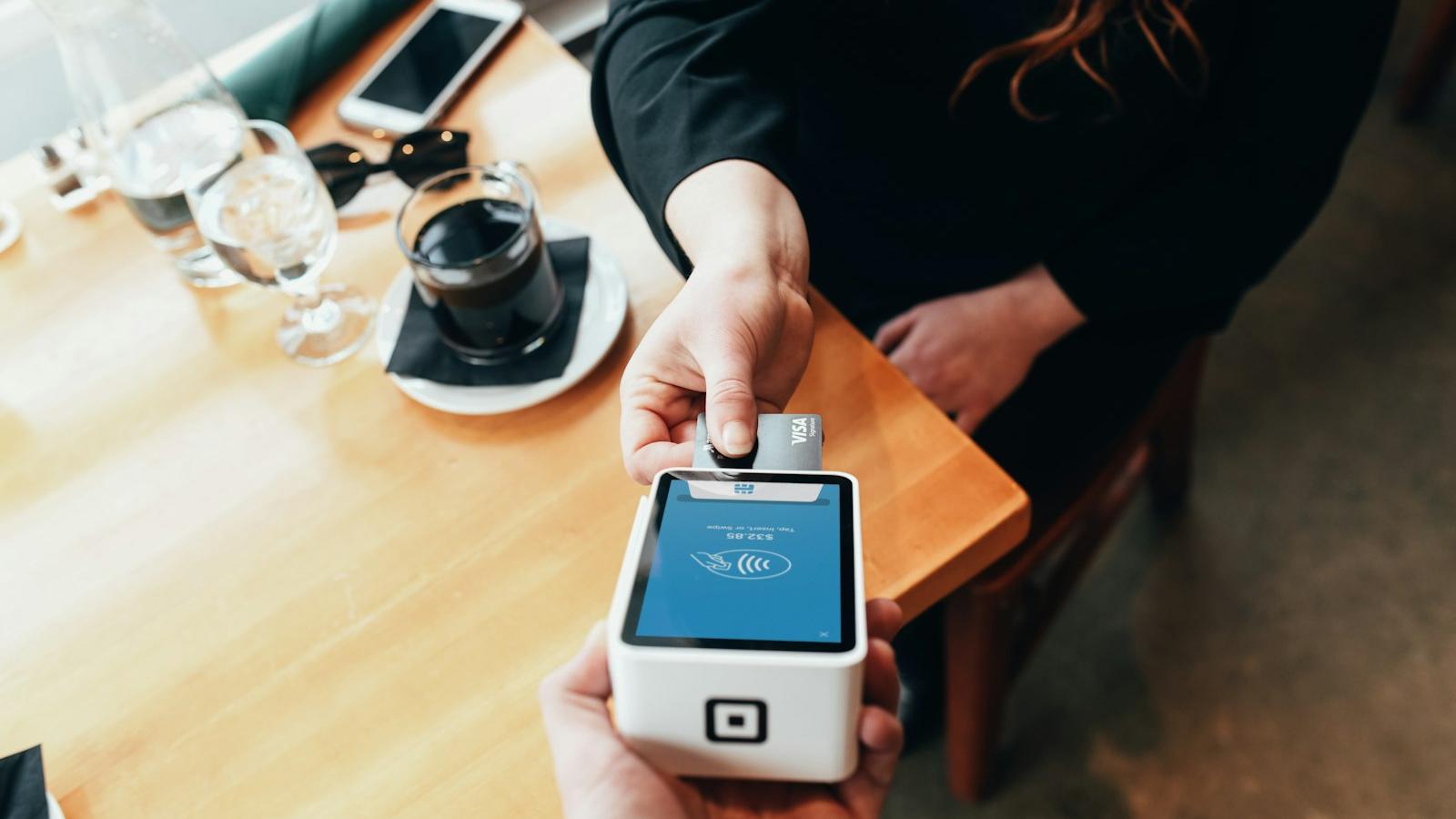
Splitting is done the way guests ask for it: by item, by an even share, or by a whole order. A per-item split creates pending slices on the same folio rather than child folios, so the kitchen ticket trail is never disturbed, and a slice can be marked to exclude tax when the host is settling the tax at the end.
Windows go further — a numbered sub-account per payer, so a company can cover room and tax while the guest covers the bar, each settling independently and each receiving its own invoice.