
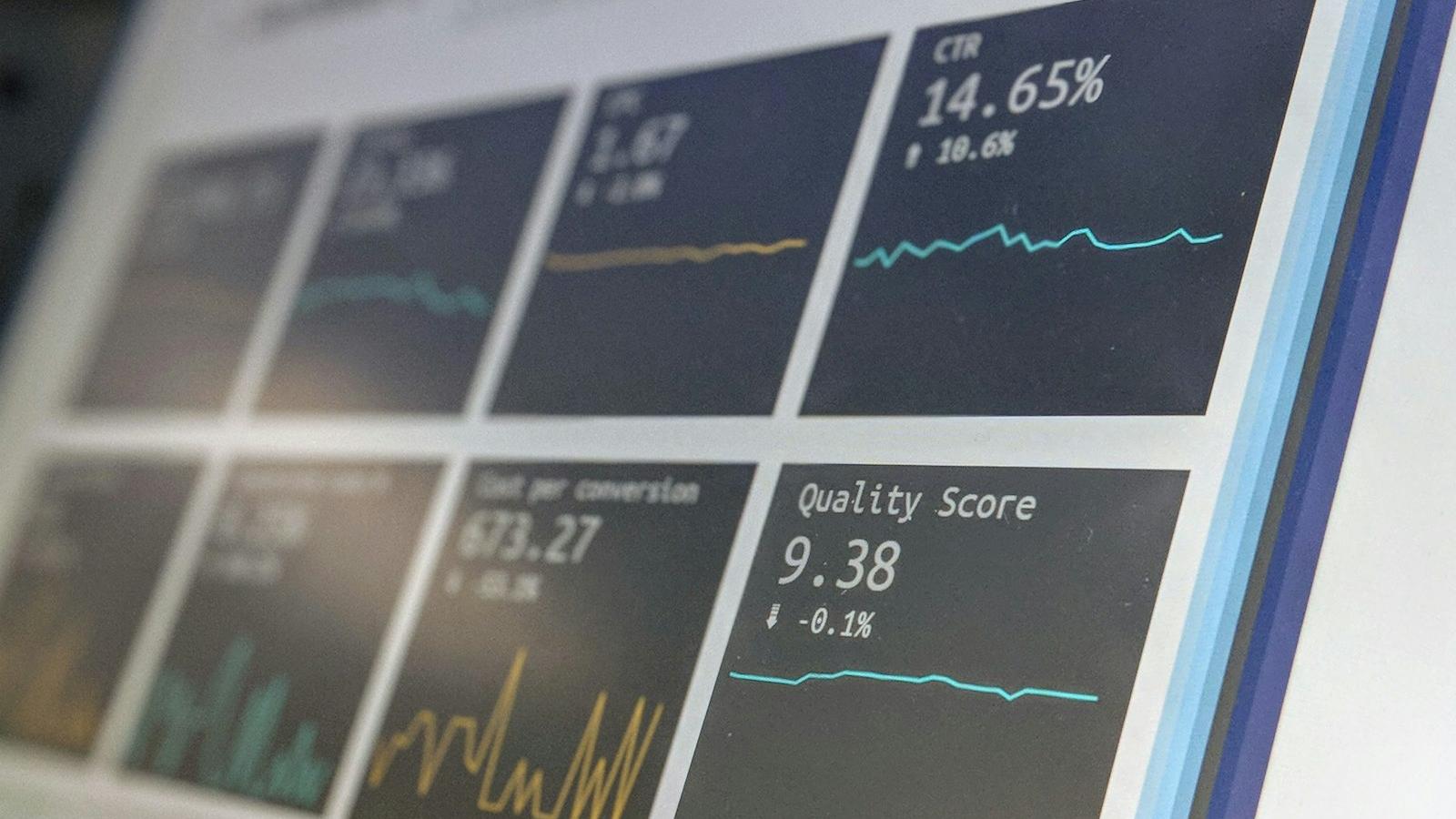
An owner pulls last month's revenue from the dashboard and gets one number. The accountant pulls it from an export and gets another, four percent lower. Both are produced by the same system.
This is the worst class of reporting bug, because neither figure is wrong on its own terms. One counted folios settled in the window; the other counted charges created in it. A five-night stay that checked out on the first of the month lands entirely in one and not the other. Both are defensible, which means neither can be falsified, which means the owner now trusts neither.
The second common cause is the clock. A payment taken at one in the morning belongs to the previous operating day, and a report that filters on wall-clock time disagrees with the night audit for every transaction between midnight and rollover — every single night, in the same direction, invisibly.
The discipline that removes both is dull and absolute. The day closes once into a frozen snapshot, every report over that period projects the snapshot rather than recomputing from the rows, and every revenue row carries a stamped business date that reports filter on rather than re-deriving.
It also means flow figures and position figures are treated differently: revenue sums across a range, but summing three nights of "rooms occupied" is not a room count, so position figures carry from the last audited day and say so on the page.
Why this matters to you: the value of a report is entirely its credibility. Once two of them have disagreed in front of an owner or a lender, every subsequent number gets checked by hand — which is the state most independent properties are already in.