
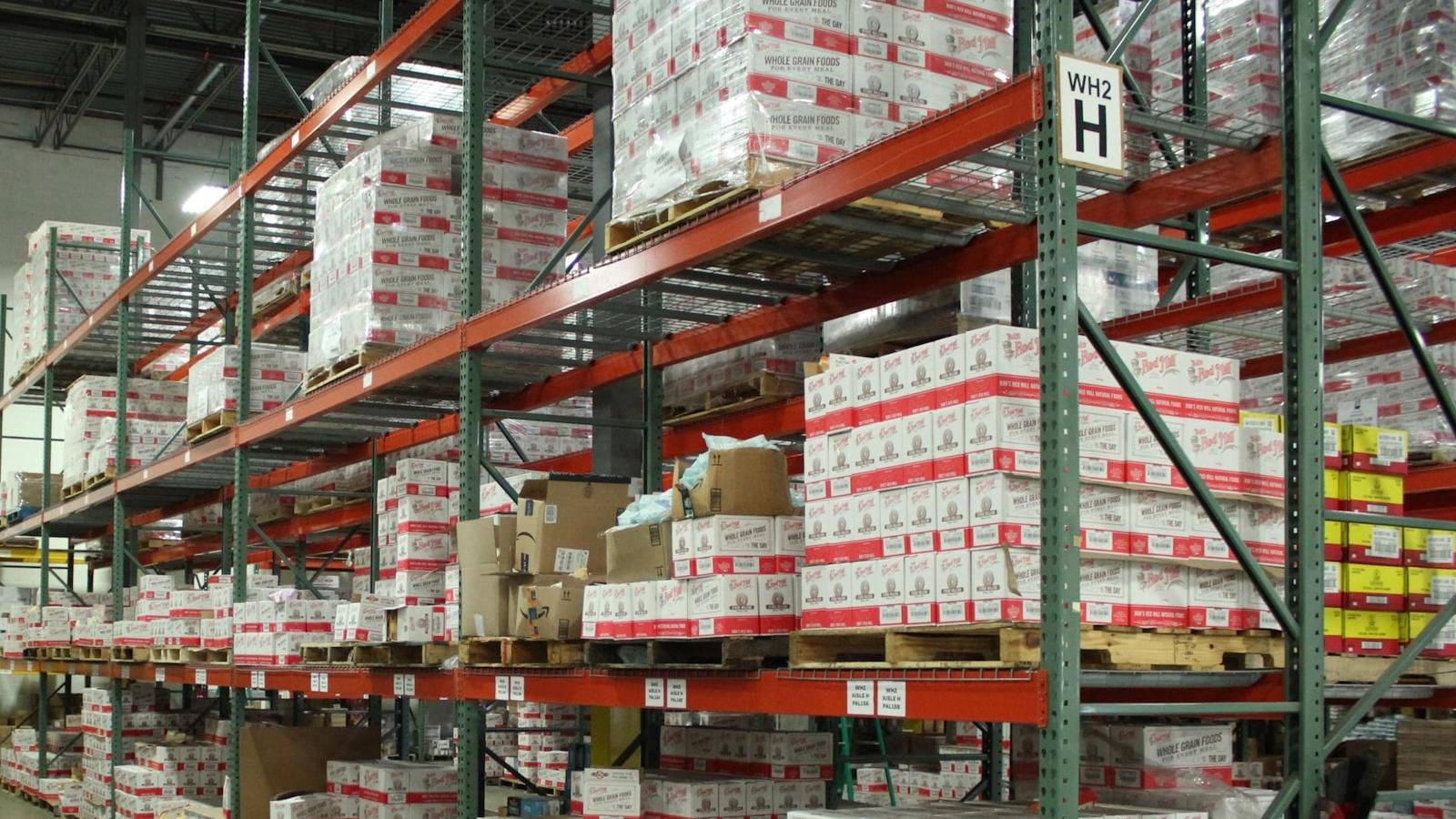
Two people spend a Sunday morning counting the dry store, the walk-in and the cellar. On Monday the numbers are typed into a spreadsheet and compared against purchases. The variance is nine percent and nobody can say why.
The reason the number is useless is that it has three causes mixed together and no way to separate them: stock that was sold, stock that was wasted, and stock that was miscounted. Without a per-sale deduction there is nothing to compare a count to — the spreadsheet is measuring purchases against a snapshot, which is not a variance, it is a subtraction.
So the exercise gets done twice, produces two unexplainable numbers, and is quietly dropped. Most independent kitchens have abandoned stocktaking for exactly this reason and describe it as "not worth the time", which is true of that version of it.
What makes a count worth doing is that every sale has already moved stock against a recipe, at the cost the batch was actually received at. Then a count is a genuine variance — the gap between what the ledger says and what is on the shelf — and it is small enough to investigate.
It also has to survive a working kitchen. A line nobody counted stays uncounted rather than being read as zero, and the correcting movement is computed against live stock rather than the figure captured when the sheet was printed. Otherwise a half-finished count writes off everything the counter never reached.
Why this matters to you: the point of counting is not the count. It is that a small explainable variance tells you where a specific problem is — a portion size, a supplier short-delivering, a bottle walking — while a large unexplainable one tells you nothing at all.