
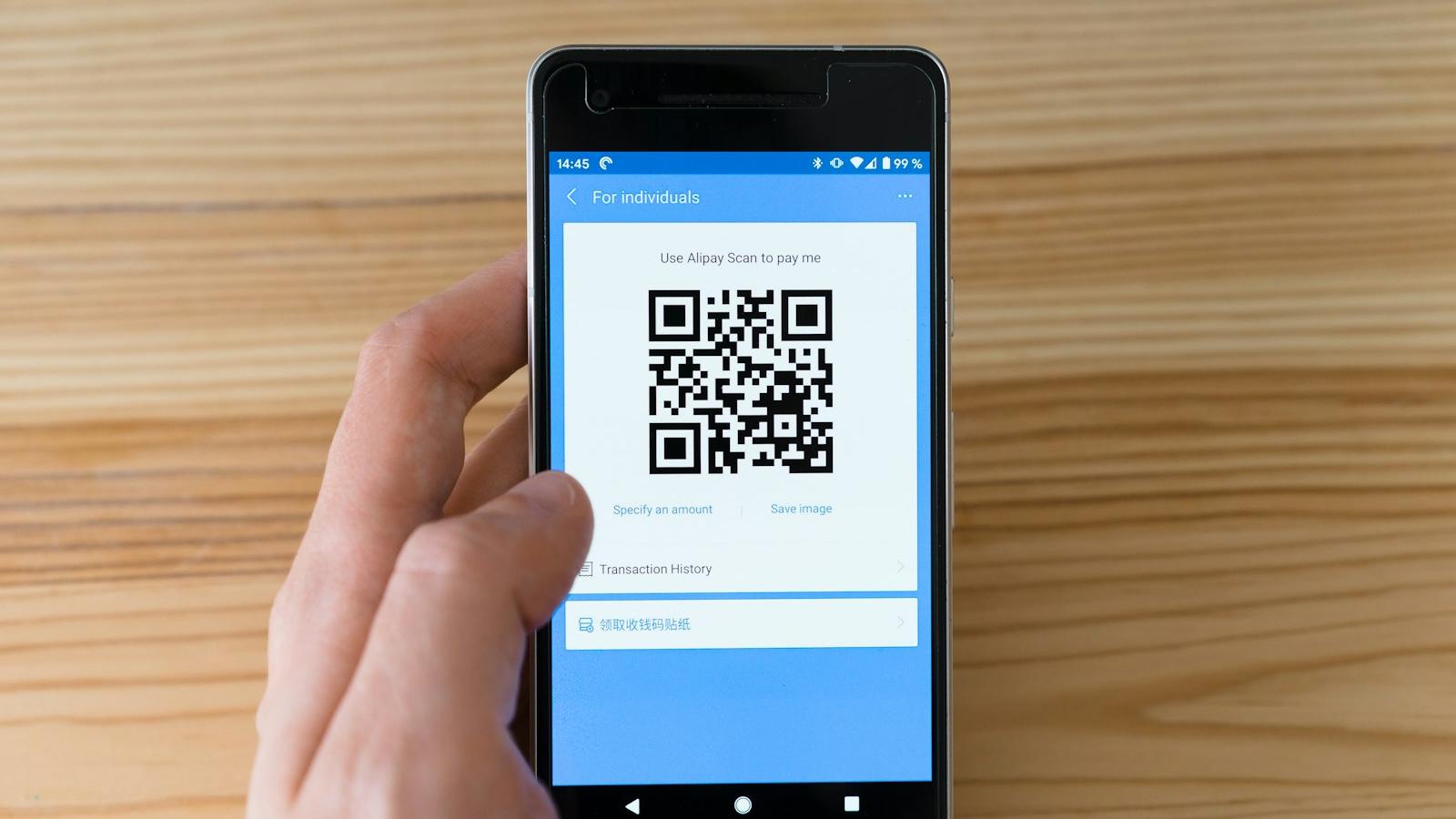
The QR codes on the tables were printed two years ago and point at a PDF on the website. In March supplier costs force a price rise and the till is updated the same afternoon.
Nobody updates the PDF, because updating it means exporting a new file, renaming it, uploading it and clearing a cache — and the person who knows how to do that is not the person who changed the prices.
For the next month guests read one price and are charged another. Waiters absorb the argument at every table that notices, and the ones that do not notice leave feeling vaguely overcharged. Two mention it in reviews.
The same drift hits availability. A dish the kitchen stopped making in February is still on the public menu in April, so guests order it and are told no — which reads as disorganised rather than as seasonal.
One catalogue removes the failure mode rather than the task. The guest page, the till and the kitchen ticket read the same items, prices and availability, so a change made once is a change made everywhere, and marking something unavailable takes it off the guest page immediately.
Why this matters to you: a guest-facing price that disagrees with the bill is a trust problem, not an admin problem. It costs a difficult conversation at the table and it costs the benefit of the doubt on everything else about the visit.